Metabolomics in Infectious Disease Research
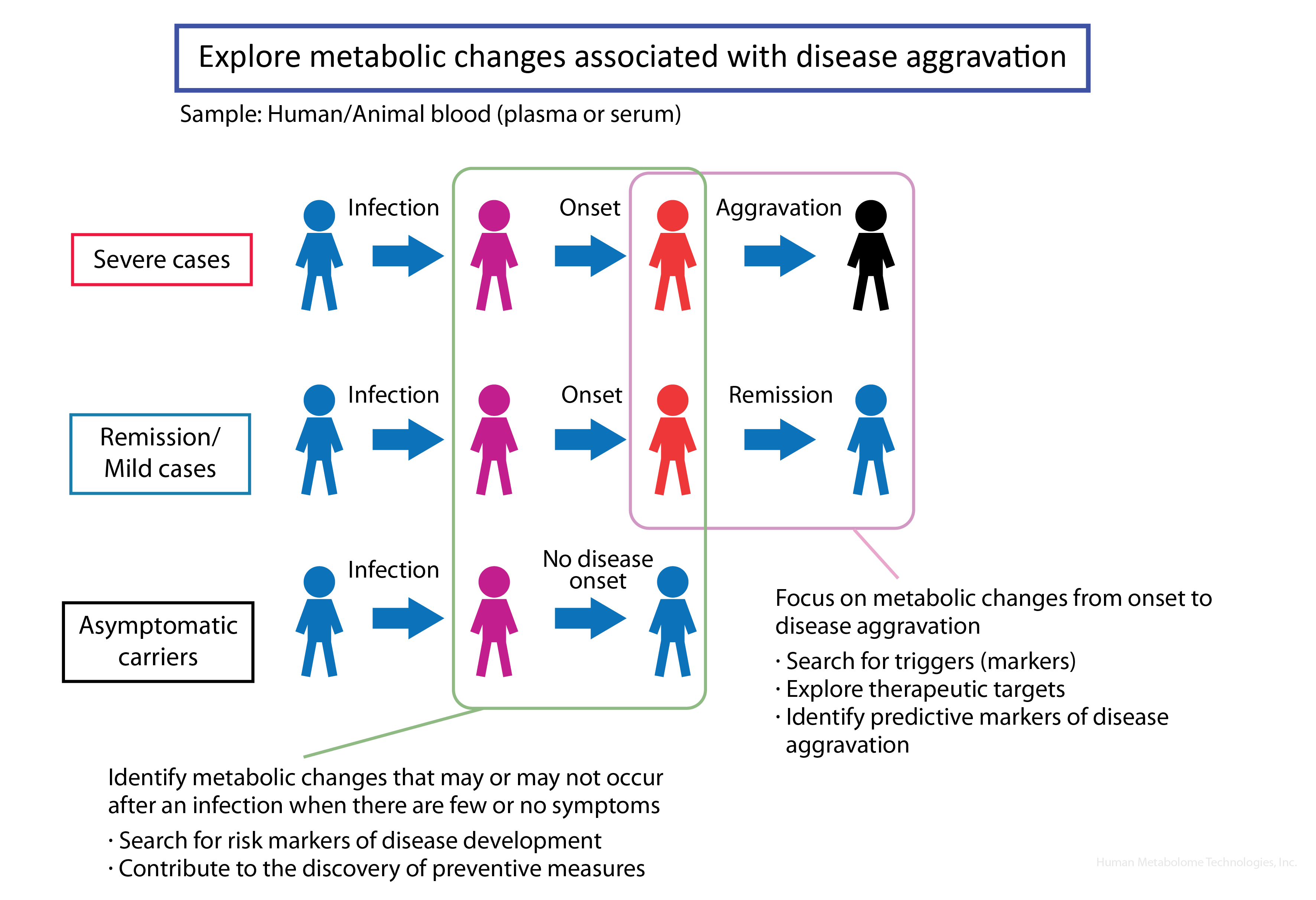
Metabolomics comprehensively characterizes small polar and lipid metabolites, yielding a snapshot of physiological processes that vary according to the pathological state of cells, tissues, and organs. Therefore, the use of metabolomics can help to reveal specific metabolic alterations and potential biomarkers that are associated with disease severity in patients with systemic infections. Furthermore, metabolomics has a great potential for exploring predictive and risk markers of disease development. This will contribute immensely to the treatment and prevention of infectious diseases.
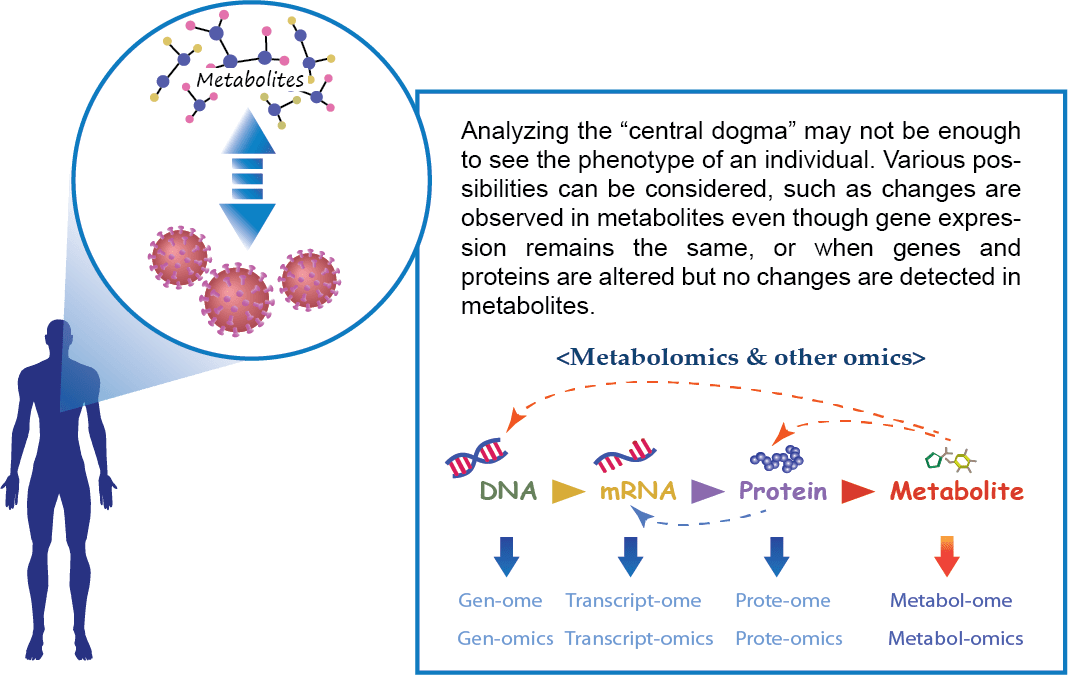
Metabolomics brings us closer to the phenotype of an individual, providing a direct readout of metabolic changes that occur in response to pathogen exposure.
Metabolomics at HMT
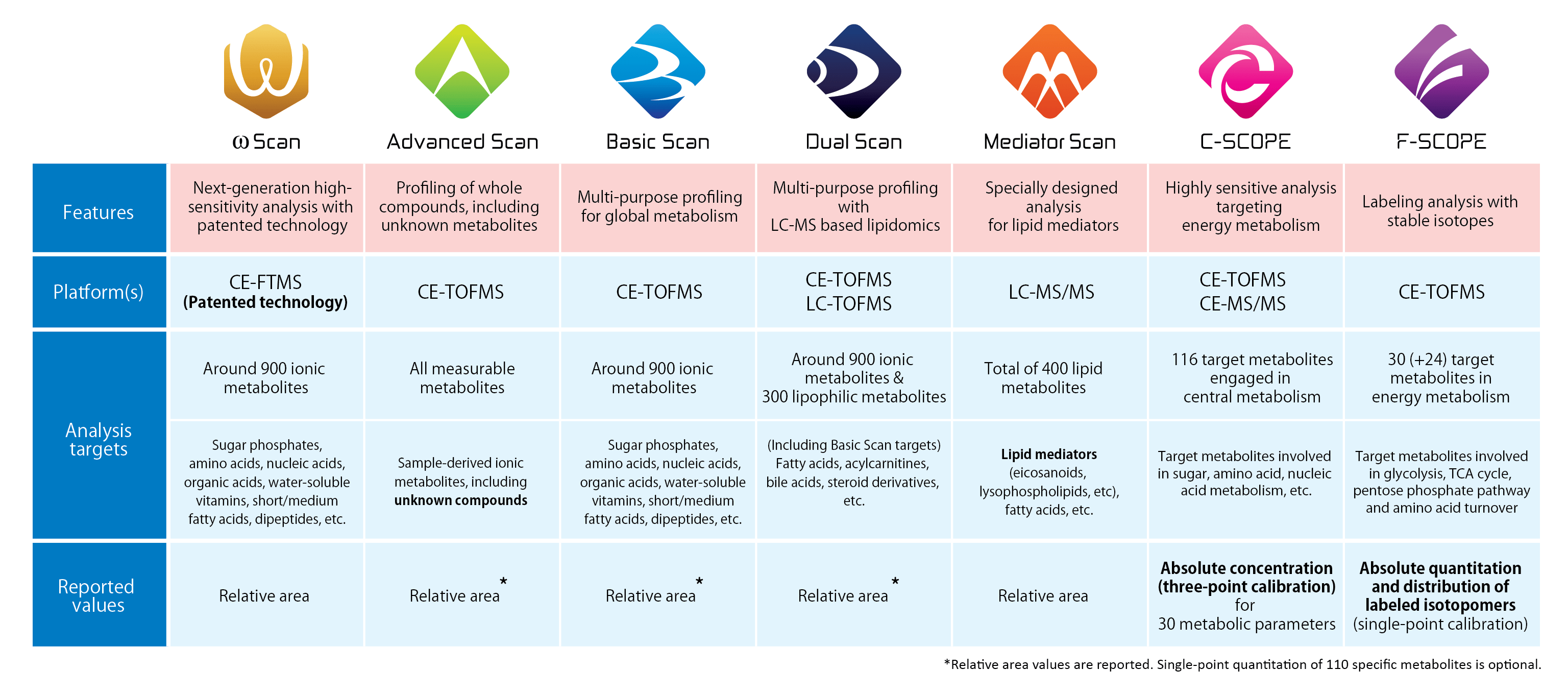
HMT’s metabolome analysis employs CE-MS & LC-MS platforms. Our technologies are optimizedto measure metabolites related to cellular energy metabolism, e.g. amino acids, short-chain fatty acids, polyamines in most types of samples, including serum, plasma, tissues, fecal matter, cells, animal models and clinical specimens.
![]() |
Quantitation Over 100 polar metabolites, many of which can be altered in pathogenic infections, are quantifiable with single- or multi-point calibration. |
![]() |
High resolution Good separation of structural isomers, e.g. isobaric fatty acids, oxidative products. |
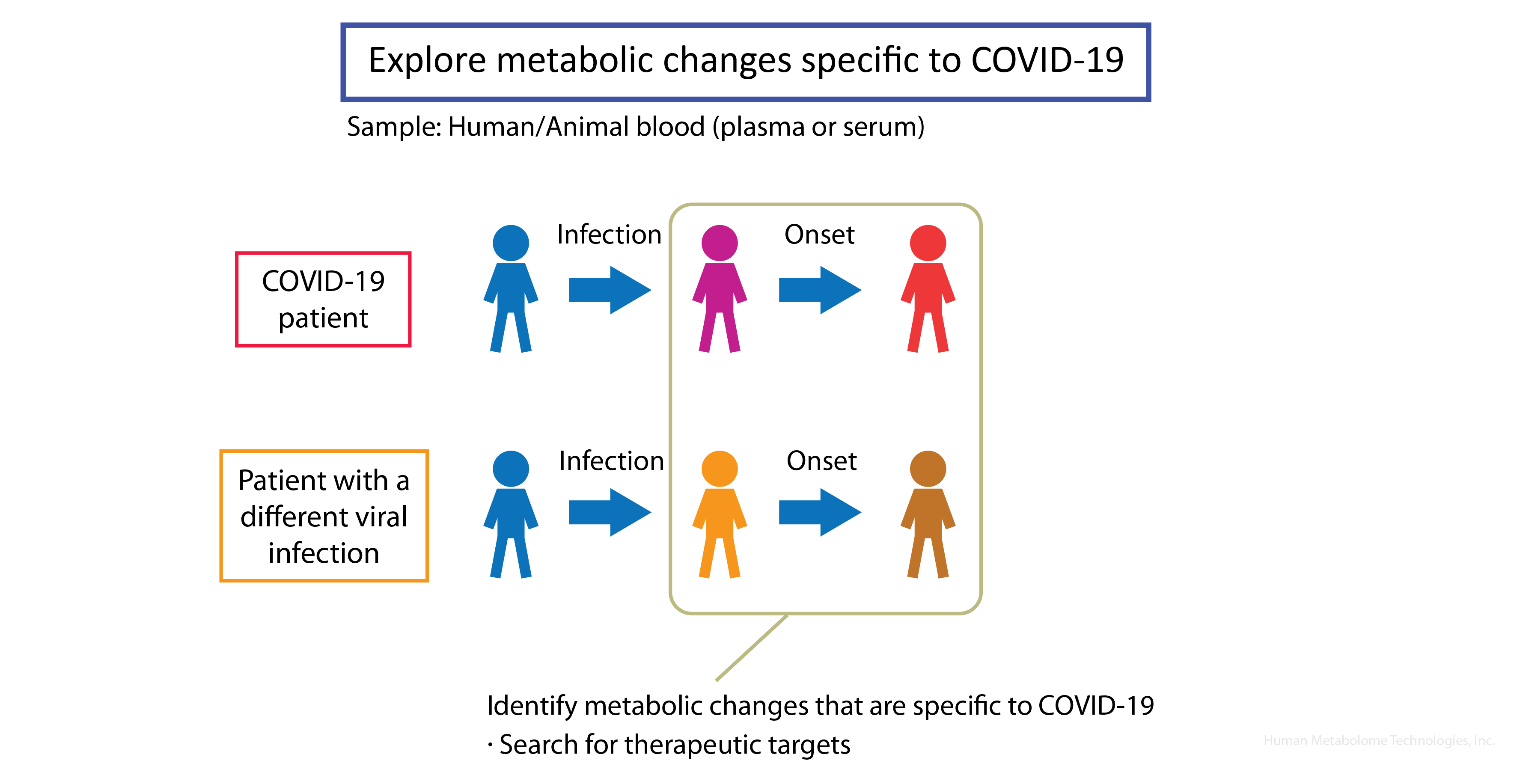
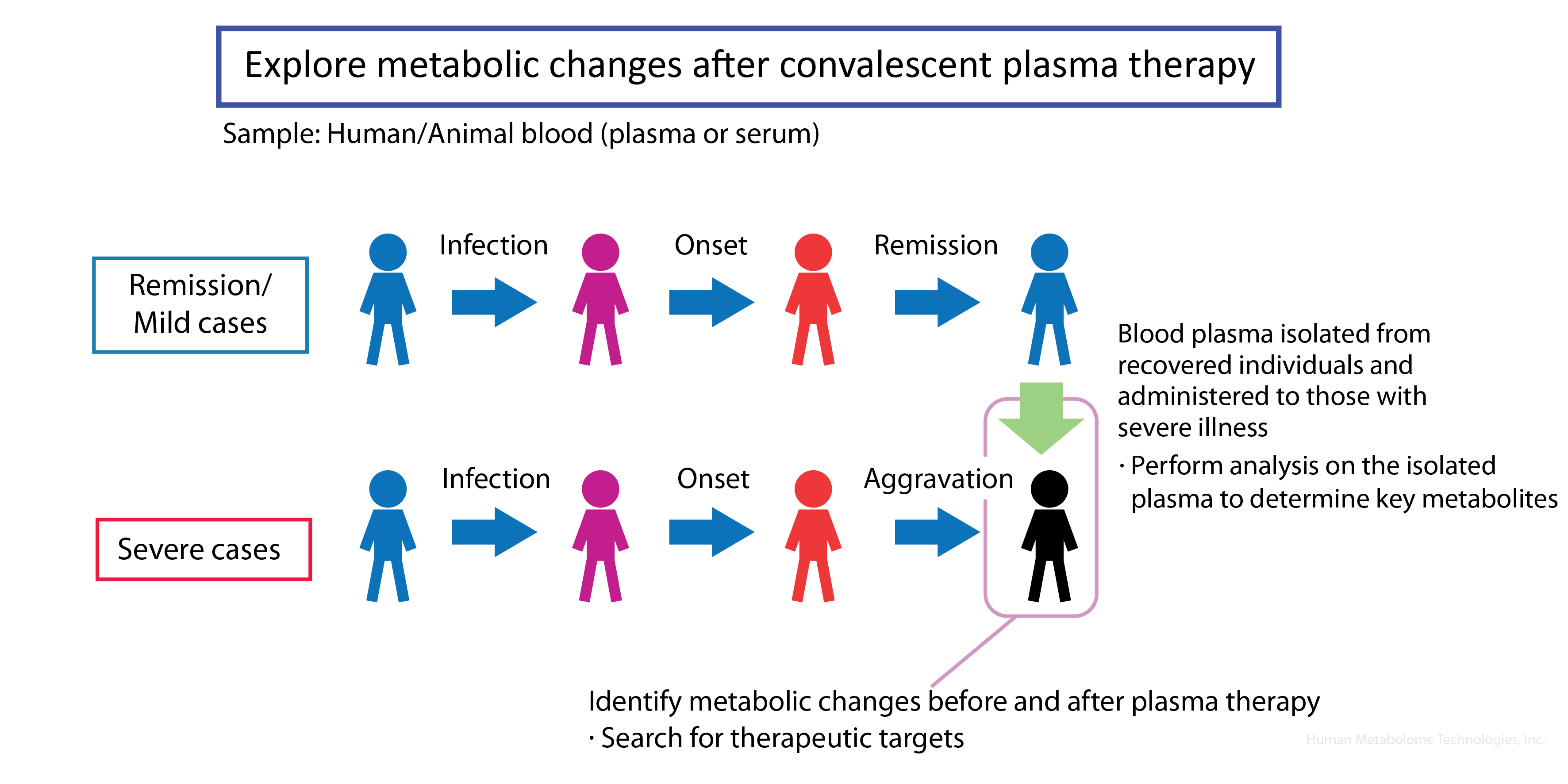
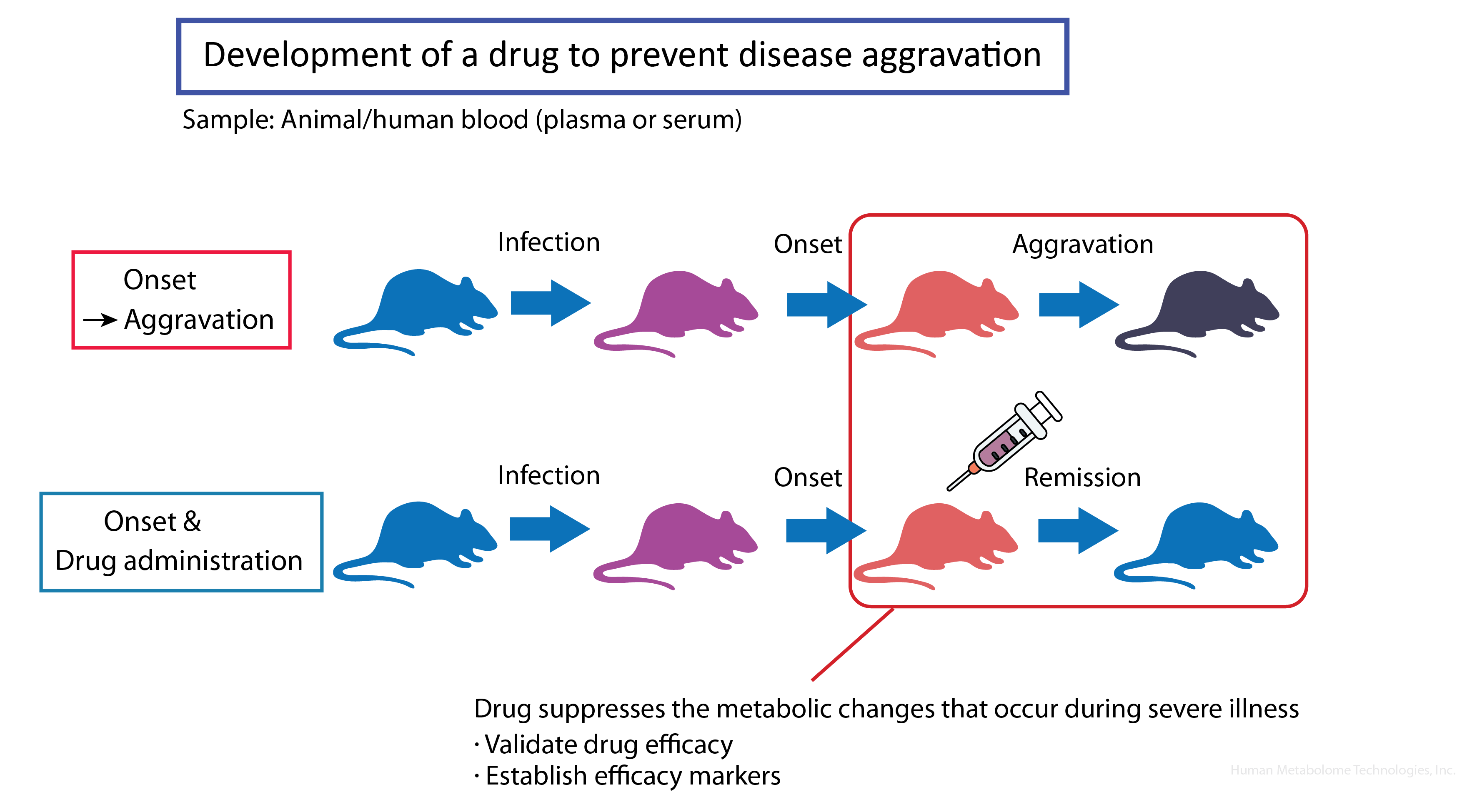
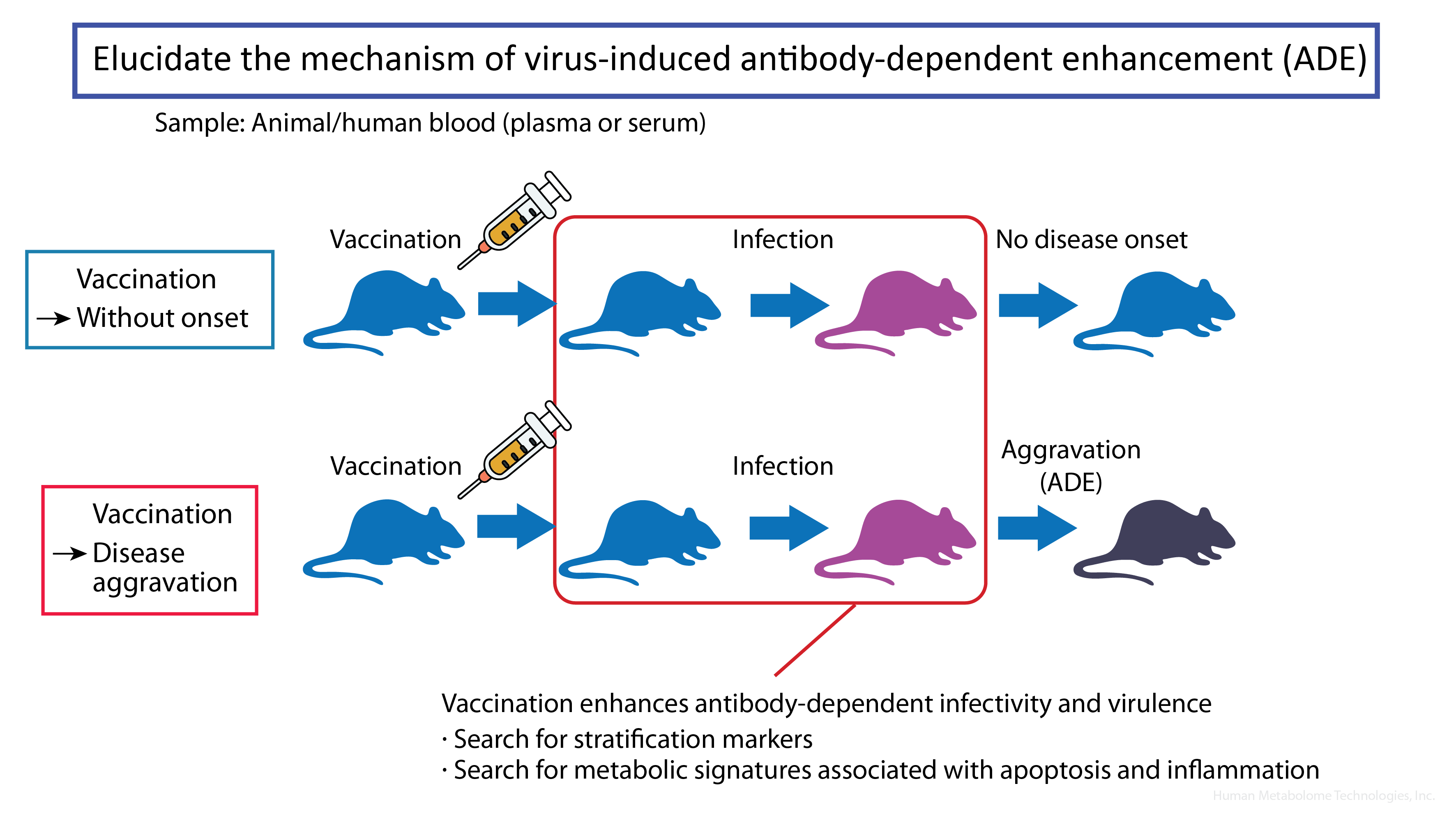
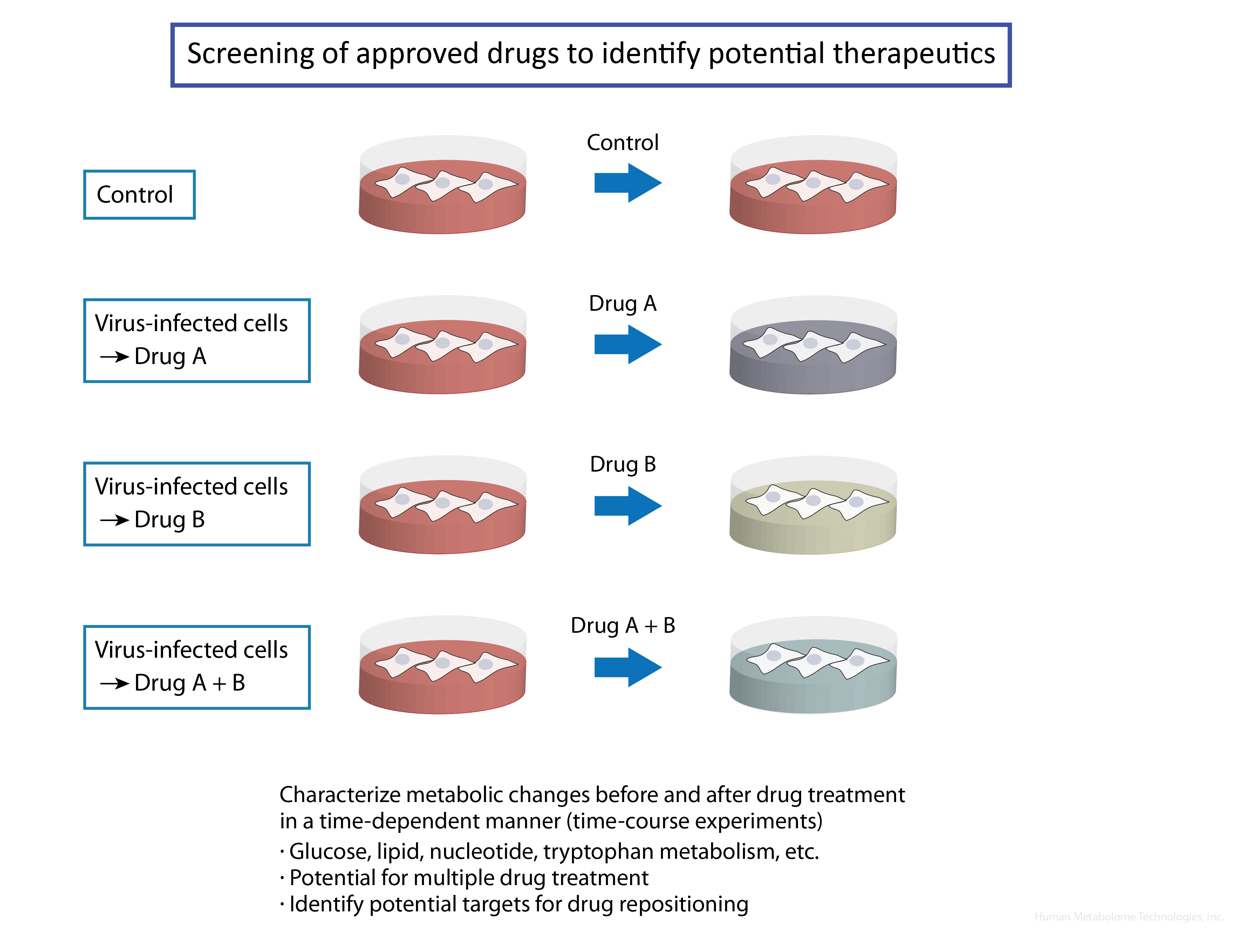
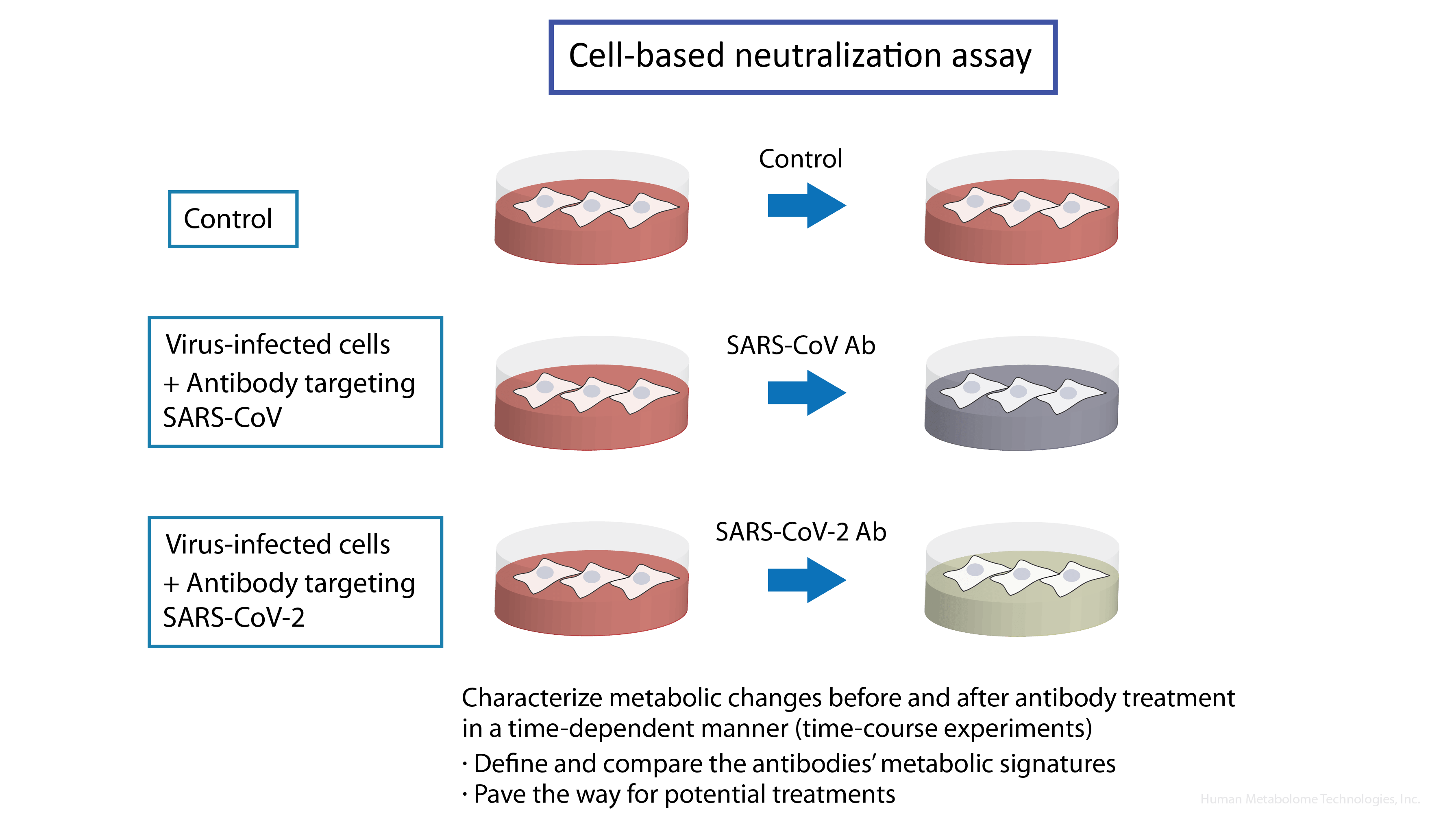
As the world starts to reel from the devastating effects of the COVID-19 pandemic, there is an increasingly urgent demand for vaccines and new therapeutics to combat the virus. HMT offers collaborative support to scientists and clinicians working to develop these drugs and vaccines. With our metabolomics technology, we can help to identify biomarkers and novel drug targets, as well as time-dependent metabolic changes and characteristics that are able to predict the drug and vaccine effectiveness and/or toxicity. Here, we propose some ideas on how metabolomics can be extremely useful for pre-clinical and clinical studies.
Click on the respective examples to display the study design ideas.
Dr. Chan is the lead author of the paper “Metabolic perturbations and cellular stress underpin susceptibility to symptomatic live-attenuated yellow fever infection”, which includes key findings based on HMT’s metabolome analysis, and was published in top biomedical journal Nature Medicine last August. Dr. Chan’s team focused on the differences in blood profiles of symptomatic and asymptomatic individuals before and after inoculation with live yellow fever viral vaccine. Transcriptome analysis and metabolome analysis performed on blood specimens revealed that individuals with endoplasmic reticulum (ER) stress and reduced tricarboxylic acid (TCA) cycle activity have increased susceptibility to symptomatic outcomes after inoculation with the vaccine.
HMT had the opportunity to ask Dr. Chan via e-mail about examples of metabolome analysis in his research, and the significance and prospects of using metabolomics in infectious diseases research.
Flavivirus infection can be asymptomatic or can result in a self-limiting febrile illness, that in some cases, progress into severe disease outcome that is life-threatening. Despite intensive research efforts to uncover the underlying molecular mechanisms behind disease pathogenesis, there is currently still no licensed therapeutics to relieve the burden of the disease. Hence, in this study, we leveraged on the live-attenuated yellow-fever vaccine, to explore the molecular underpinnings behind yellow fever-induced symptomatic outcome. The findings that increased ER stress and altered metabolism at baseline is associated with increased symptomatic rates or adverse event outcomes were based on two independent clinical trials. These results hint at the exciting possibility of modulating the ER stress response or the immunometabolic profile in humans before viral infection could influence symptomatic outcome, providing insights to the development of prophylactics against flaviviral diseases.
Our transcriptomic data analysis provided evidence that baseline metabolism, particularly the citric acid cycle genes, were expressed at lower abundance in the symptomatic subjects. At present, HMT is the sole provider for analysis of polar metabolites using CE-MS/MS with absolute concentration values, which is why we have approached HMT. In addition, we trusted their service as the staff was extremely helpful in explaining the CE-MS/MS technology and the coordination of sample preparation, transport, sample processing and data analyses.
Viruses rely on host cells to provide ATP and macromolecules required for viral replication. Thus, viral infections could trigger energetic and metabolic stress that consequently lead to cell death. However, emerging evidence now support that different viruses may employ varied strategies to evade immune detection and cell death, or in some cases, even promote host metabolism to ensure that the host cell can support both virus and cell growth. Thus, I believe that uncovering these molecular mechanisms involved could potentially lead to the development of novel therapeutics against viral infections. In addition, the recent COVID-19 outbreak demonstrated that the elderly population, especially those with co-morbidities, have an increased susceptibility to severe disease outcome. As aging is closely associated with decreased bioenergetic capacity and mitochondrial functions, I anticipate that there will also be an increased interest in the understanding of how aging affects metabolomic profiles and viral infection outcomes.
The strength of metabolomics is that metabolites are the final products of transcriptomic and proteomic perturbations. They are thus potentially attractive for use as biomarkers for various diseases. However, as metabolism pathways are highly interconnected, it may be difficult to identify specific therapeutics that can only affect a particular pathway without affecting other metabolic pathways. Future research efforts into discovery of small molecules with greater substrate specificity could potentially circumvent this current limitation today.
With the collaboration between researchers, clinicians and industrial partners, I hope to examine further into the how immunometabolism impacts outcome of viral infections and vaccine responses.
Research is not a sprint but a marathon. There will be frequent cycles of successes and failures, so it is important to stay positive during times of failure. In my opinion, the best way is to build friendship with your colleagues, peers and even your mentor during your research career, as these are the people that will keep you motivated during downtime. On the other hand, when you are successful, help those who are in need. Over time, this will build a positive relationship that will keep your passion alive, in whatever you do.
Reference: Chan KR, Gan ES, Chan CYY, Liang C, Low JZH, Zhang SL, Ong EZ, Bhatta A, Wijaya L, Lee YH, Low JG and Ooi EE (2019). Metabolic perturbations and cellular stress underpin susceptibility to symptomatic live attenuated yellow fever infection. Nature Medicine. DOI: 10.1038/s41591-019-0510-7.
Targeted Areas for Metabolomics

-
- biomarkers & diagnostic markers relating disease severity, stress, inflammation
- monitor disease progression &/or drug respons

-
- changes in energy metabolism in infected cells
- assessment of novel therapeutics

-
- pathogen-induced dysbiosis
- detect inflammation-derived changes in metabolic profiles

-
- interactions between specific tissues & pathogens
- monitor metabolic changes for enhanced evaluation of disease progression
Recent Publications on Metabolomics in Infectious Disease Research with HMT
| 1. | Metabolic perturbations and cellular stress underpin susceptibility to symptomatic live-attenuated yellow fever infection. |
| Chan KR, Gan ES, Chan CYY, Liang C, Low JZH, Zhang SL, Ong EZ, Bhatta A, Wijaya L, Lee YH, Low JG, Ooi EE. Nat Med. 2019. 25(8): 1218-1224 |
|
| 2. | Commensal-derived metabolites govern Vibrio cholerae pathogenesis in host intestine. |
| You JS, Yong JH, Kim GH, Moon S, Nam KT, Ryu JH, Yoon MY, Yoon SS. Microbiome. 2019. 7(1): 132 |
|
| 3. | ACC1 determines memory potential of individual CD4+ T cells by regulating de novo fatty acid biosynthesis. |
| Endo Y, Onodera A, Obata-Ninomiya K, Koyama-Nasu R, Asou HK, Ito T, Yamamoto T, Kanno T, Nakajima T, Ishiwata K, Kanuka H,Tumes DJ, Nakayama T. Nat Metab. 2019. 1: 261-275 |
|
| 4. | Mycoplasma infection and hypoxia initiate succinate accumulation and release in the VM-M3 cancer cells. |
| Flores RE, Brown AK, Taus L, Khoury J, Glover F, Kami K, Sarangarajan R, Walshe TE, Narain NR, Kiebish MA, Shelton LM, Chinopoulos C, Seyfried TN. Biochim Biophys Acta Bioenerg. 2018. 1859(9): 975-983 |
|
| 5. | Prevalence of Slow-Growth Vancomycin Nonsusceptibility in Methicillin-Resistant Staphylococcus aureus. |
| Katayama Y, Azechi T, Miyazaki M, Takata T, Sekine M, Matsui H, Hanaki H, Yahara K, Sasano H, Asakura K, Takaku T, Ochiai T, Komatsu N, Chambers HF. Antimicrob Agents Chemother. 2017. 61(11): e00452-17 |
|
| 6. | Prominent steatosis with hypermetabolism of the cell line permissive for years of infection with hepatitis C virus. |
| Sugiyama K, Ebinuma H, Nakamoto N, Sakasegawa N, Murakami Y, Chu PS, Usui S, Ishibashi Y, Wakayama Y, Taniki N, Murata H, Saito Y, Fukasawa M, Saito K, Yamagishi Y, Wakita T, Takaku H, Hibi T, Saito H, Kanai T. PLoS One. 2014. 9(4): e94460 |
HMT’s Metabolome Analysis Plan
All information and reference materials provided on this page are intended for general information only, and do not constitute medical advice or recommendations. While every precaution is taken in collecting relevant information, please refer to public authorities and other sources for further information. Do not disregard the professional advice of your physician.